Grapevine
17 September 2026
- Common name: Grapevine. Variety: Monastrell.
- Scientific name: Vitis vinifera, L.
- Honoris Causa: Valentín Martínez Pillet (16/09/2026)
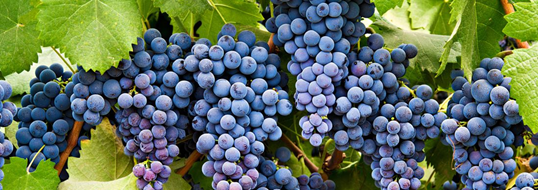
ORIGIN: Southwest Asia and Central/Southwest Europe (Caucasus).
CHARACTERISTICS:
- It is the most important climbing plant in the world. It develops tendrils—small, agile filaments—that allow it to cling to supports and trees in search of light.
- It is a deciduous plant, and its trunk twists as it seeks the best position for its fruit.
- There are many grape varieties. In the case of the grapevine—specifically those intended for winemaking—the fruit typically grows in clusters of small grapes with thick skins and numerous seeds; this optimizes the concentration of sugars, flavors, and aromas.
- They are very long-lived; they can easily live for more than 100 years.
INTERESTING FACTS:
- Its longevity brings about changes in the plant. Production begins to decline after approximately 40 years, yet as the vine ages, the organoleptic qualities of its grape clusters improve, resulting in higher-quality wines.
- The dreaded phylloxera was an insect that destroyed nearly all European vineyards in the 19th century, as the vines’ roots were highly susceptible to its attack. The solution involved grafting Vitis vinifera onto Vitis riparia (an American vine variety) due to the latter’s resistance to phylloxera.
- Born to struggle: the grapevine is a plant that activates its best mechanisms in response to a lack of water and soil fertility.
- The Monastrell variety is one of the oldest in Spain and is renowned internationally. Its name derives from the fact that it was originally cultivated by monks in monasteries.
- It is one of the latest-ripening varieties in existence; the harvest takes place between late September and October, allowing it to withstand climate change without difficulty. Its wines are powerful, deep, and intense, standing out for their spicy and wild notes.